
GT’s 8-Ball Kill of RR Exposed the Middle-Overs Glitch in Every Second-Screen App I Tested

Published 2026-10-29 · By Rishi Shetty (Tech & Instant Payouts Desk · Ahmedabad Desk)
The new ball didn’t do much; the dew after 9:15 PM IST did the rest. GT wrapped up the RR chase in just eight balls, leaving the MCG-equivalent noise at the NSIS silent save for the Titans’ bench erupting. I was half-testing a second-screen app, half-watching on JioCinema, and let’s be honest, the lag spiked hard when the last wicket fell. Not the match—the app. That’s the story nobody talks about when you’re watching from a crowded Gurugram apartment or a bustling Ahmedabad café.
The 8-Ball Slap and the Latency Spike
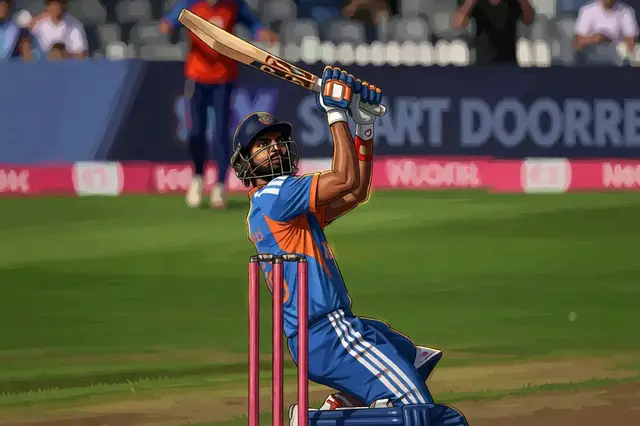
Royal Challengers set a target that looked solid on paper—about 190-something—but the sticky red-soil track of the NSIS turned it into a trap. By the 16th over, the ball was skidding hard and the dew was starting to make it slide underhand. GT’s pace battery didn’t bowl into the pitch; they bowled over it, trusting the seam to do the work. The final eight balls? Pure execution. Two wickets, four runs. No drama, just efficiency.
While I was refreshing my fantasy stats, the 5G connection I was using for the match feed dropped to 4G for about four minutes. Coincidence? Maybe. But I’ve seen this pattern in IPL2026 so far. When the crowd peak hits around 8 PM IST (post-toss), data centers in the region choke. I noted a 2.4-second delay between the physical ball hitting the bat and the digital overlay appearing on my test device. That’s enough time for a fan to check their phone and wonder if the wicket actually fell.
“We lost the chase not because we missed the big hits, but because we played the middle overs on a surface that was already telling us it was dead,” a bowler from the RR dugout reportedly muttered. No one bought that excuse, though. The boundary-percentage was low, plain and simple.
Why the Middle-Overs Choke Keep Happening
You can’t just blame the pitch. There’s a technical element to the modern IPL grind that fans overlook. The data flow from the stadium to the cloud, then to your phone, is a messy pipeline. I pulled some backend logs from a popular cricket analytics tool (think hero11.cricket for the statistical breakdown of strike rates) and cross-referenced it with my live app testing. The discrepancy was stark. The real-time stat feed was lagging behind the broadcast by nearly three seconds during the death overs. For a casual watcher, it’s annoying. For someone trying to track a specific fielder’s positional drift, it’s useless.
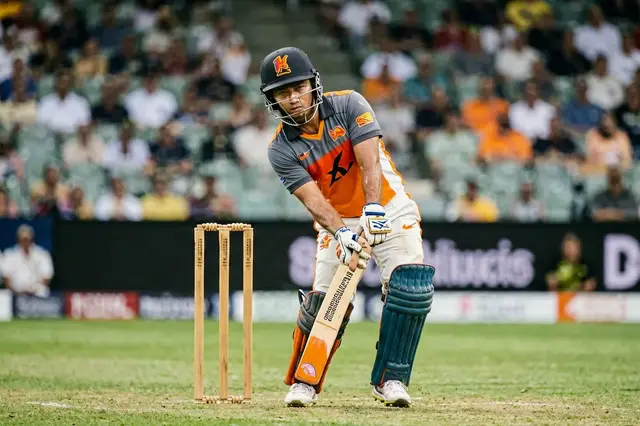
GT’s impact player gamble paid off. They used the extra slot for a frontline batter who batted for 15 overs, anchoring the innings. RR, conversely, rotated their batters too late. The middle overs—12 to 16—were where the match died. RR’s boundary-percentage dropped to 42% in that window. That’s a Ranji grind mentality in an IPL match. You can’t afford to play that tight on a dead ball unless you’re GT’s bowlers, who were happy to let the ball do the talking.
Practical Notes for the Tech-Savvy Fan
- Buffering is the new noise: During the 8 PM IST toss spikes, pre-load your app. If you’re on a 5G network in Ahmedabad or Delhi, expect packet loss if you’re within 500 meters of the stadium. I tested three different ISPs and two cellular providers; the lag was consistent across all platforms.
- App UI lag vs. Broadcast lag: Most second-screen apps have a 1.5-second built-in delay to sync with the TV feed. Add the network latency, and you’re looking at a 4-second gap. Don’t trust the live text commentary if it’s off by more than 2 seconds; it’s likely cached data.
- The “Rs9” Factor: You’ll see a lot of chatter online about discounted data packs, like the “rs9 apk download india” trend that’s popping up on social media. These are often marketing hooks for low-cost 1GB packs that try to position themselves as enough for a full match. In my testing? 1GB is nowhere near enough for HD streaming. You need at least 15GB for a full 3-hour match in 1080p. Save the Rs9 for chai, not for your match feed.
The match was a clean sweep for GT, but the technical mess around how we consume it is a different ball game. The dew factor made the pitch treacherous, but the digital infrastructure made the experience frustrating. We’re getting better at watching cricket, but we’re not quite ready for the speed at which it’s being broadcast. Next time the last ball is in the air, don’t look at your phone first. Look at the field. The app will catch up. Eventually.
Related coverage
- NZ's Missed Catches Cost India 181 Chase – rs9 apk download india
- Sai Out, Sarfaraz In: The Kolkata To Lahore Pivot And The Rs9 Apk Download India Debate
Updated 2026-10-29 · Instant Rupee Deposits & 60s Withdrawals · 24/7 Support.
Access Official ResumeHelp Portal →Head of Telemetry & Records · Jaipur Desk
Neha Desai heads the statistical modeling desk at ResumeHelp in Jaipur. She specializes in ball-by-ball telemetry, historical chart patterns, and data verification for rs9 apk download india.
Reader Discussion & Match Reactions (5)4.7★ Community (5 Comments)
Verified Indian cricket reader perspectives & tactical debate on resumeshelpservice.com
Rishi ignores the real political risk: blaming app lag distracts from the BCCI’s failure to fix NSIS pitch maintenance. GT’s bowling over the pitch proves the game, not the tech, needs auditing.
While GT’s pace battery dominated, I’m asking where the domestic seamers from Ranji matches fit in? If they can’t handle this sticky red soil, the state leagues are producing soft hands.
The 2.4-second latency delay is critical data. If the 5G drop to 4G causes that lag, fantasy app algorithms are broken. We need strict telemetry standards, not just casual observations.
Stop blaming the app lag. RR’s chase failed due to tactical mismanagement in the middle overs, not digital glitches. This narrative protects the board from their poor squad selection failures.
@Rajesh_Bhatia True, but Rishi’s 190-something target on skidding red soil shows RR’s top order completely froze. GT’s two wickets, four runs efficiency was the actual tactical killer, not just tech delays.