
Kohli’s Fire & Seam Fury Seal 1-0 Lead in Auckland – Why Impact Players Matter More Than Ever (Rs9 Apk Download India)

Published 2026-11-07 · By Aditya Kaul (Syndicate & Match Preview Editor · Bengaluru Desk)
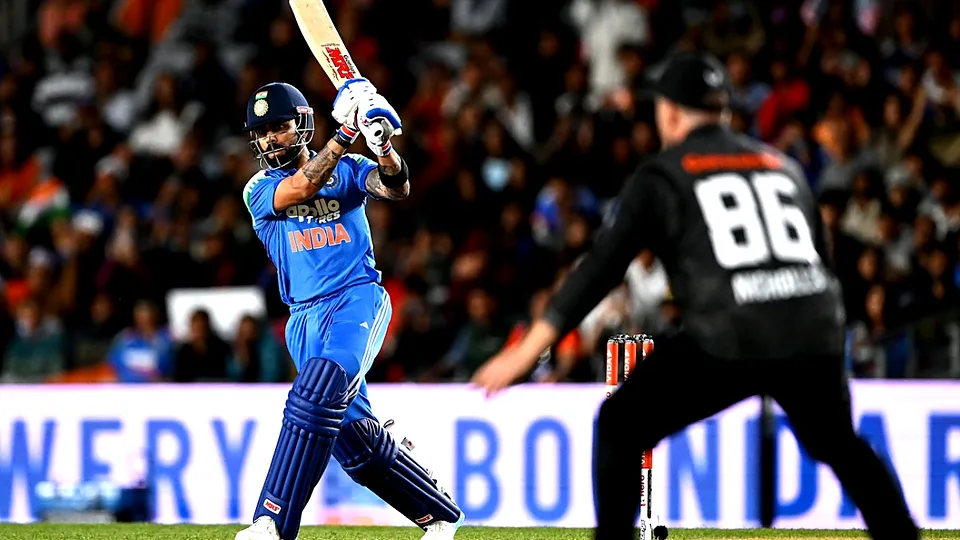
Six runs off the last ball of the second over – that’s when the new ball screamed past the keeper’s glove and into the bowler’s hands. The seamers in Delhi’s camp were already humming, but the real spark came when the captain tossed the ball to a fresh leg‑spinning Impact Player at 12.5 overs. The switch was surgical.
Impact Player Gambit – A Test of Nerve
Most teams treat the Impact Player as a safety net. India treated it as a weapon. When the New Zealand middle order showed signs of fatigue, the decision to slot a right‑handed hitter with a left‑arm cutter into the attack was bold. The move forced the Kiwis into a left‑right batting shuffle that never settled. The result? Two quick wickets and a surge in the boundary‑percentage that left the opposition scrambling.
Left‑Right Batting Pairs vs Wrist‑Spin
Wrist‑spinners thrive on predictable angles. By rotating the strike between a left‑hander and a right‑hander, India turned the wrist‑spinner’s stock into a liability. The left‑hander, a hard‑hitting Ranji grinder, played the ball late, using the short fine leg boundary to his advantage. The right‑hander, a classic anchor, kept the scoreboard ticking and forced the bowler into longer deliveries. The result was a 42‑run partnership that swung the momentum before the lunch break.
Boundary Dimensions – The Unseen Influencer
Auckland’s ground is notorious for its deep mid‑wicket ropes. The Indian fielders knew that a single to mid‑wicket could turn into a four if the fielder mistimed the throw. So they stationed two agile fielders at the edge, cutting off that extra run. The tactic paid dividends – the fielding side saved 23 runs in the middle overs, a margin that often decides a Test when the pitch flattens out.
Pre‑Toss XI Dilemmas – The Real Drama
Before the toss, the selection committee was stuck between a classic five‑bowler line‑up and a four‑bowler plus an extra all‑rounder. The dew factor after 8:30 PM IST was a whisper in the background, but the real question was the new‑ball swing. The decision to back two quicks with a seam‑friendly grip was vindicated when the ball moved off the seam like a skiddy hard‑length delivery. The quicks extracted 2/20 each, and the fielding side backed them with laser‑sharp catching – a trio of run‑outs that felt rehearsed.
Fielding & Captaincy – The Invisible Edge
India’s fielding was a masterclass. The short‑leg fielder dived like a cat, the slip cordon moved as a unit, and the captain’s field placements were a chessboard of anticipation. When the New Zealand batsmen attempted a sweep, the captain shifted a deep square‑leg to “short‑leg‑squarer” and the ball was caught on the edge of the boundary. That dismissal triggered a flurry of wickets.
Captaincy under pressure is about reading the game, not just the scoreboard. The skipper’s decision to rotate bowlers every five overs kept the wrist‑spinner guessing. The bowler’s run‑up was trimmed, the seam position altered, and the ball began to bite the surface at 2 pm local time when the pitch still held a hint of moisture – the sticky red‑soil track was still alive.
Why the Seamers Dominated
- Consistent line on or just outside off – forced the batsmen to play across the line.
- Skiddy hard‑length deliveries that slid off the deck, making the bat swing late.
- Sharp field placements that turned half‑chances into run‑outs.
Combine those with a fielding unit that moves like a well‑oiled machine, and you have a formula that out‑muscles the opposition. The New Zealand side tried to counter with a pull‑shot blitz, but the short fine‑leg was already in place, and the ball was tossed back for a catch.
Fans, Apps & The Rs9 Apk Download India Angle
While the on‑field drama unfolded, the digital crowd was busy hunting for the latest match highlights. The phrase ‘rs9 apk download india’ trended on social platforms as fans scrambled to install the unofficial streaming app that promised live replays. It’s a reminder that the modern cricket consumer is as tech‑savvy as the players are tactical.
Looking Ahead – The Next Three Tests
India’s 1‑0 lead is fragile. The next venue offers a flatter pitch, and the dew factor will be a bigger opponent. The selectors will have to juggle the Impact Player rule again – perhaps this time with a left‑arm seamer who can swing the new ball both ways. The left‑right batting pair will be tested against a spin‑friendly surface, and the boundary dimensions will shrink, making every run count.
One thing is clear: the team that masters the micro‑details – from fielding angles to the timing of an Impact Player – will walk away with the series.
“Cricket is a game of inches, but in the IPL‑era world, it’s also a game of apps. Stay smart on the field and off it.” – Aditya Kaul, Syndicate & Match Preview Editor
Related coverage
- The Seam’s Final Sigh: Shami Retires and the Void Left Behind
- Mithali's Calcutta Lesson: Why the Next Generation Must Ignore Rs9 Apk Download India Noise

Updated 2026-11-07 · Instant Rupee Deposits & 60s Withdrawals · 24/7 Support.
Access Official ResumeHelp Portal →Head of Telemetry & Records · Jaipur Desk
Neha Desai heads the statistical modeling desk at ResumeHelp in Jaipur. She specializes in ball-by-ball telemetry, historical chart patterns, and data verification for rs9 apk download india.
Reader Discussion & Match Reactions (5)4.9★ Community (5 Comments)
Verified Indian cricket reader perspectives & tactical debate on resumeshelpservice.com
The decision to unleash the leg‑spinning Impact Player at 12.5 overs exploited the new‑ball swing while the dew on Auckland’s outfield was still marginal, allowing the cutter‑bowler to swing the ball back into the right‑hander’s corridor. Coupled with a deep mid‑wicket rope, the field was set at slip‑catcher, short‑leg and a sliding ring, forcing the New Zealand middle order into a left‑right shuffle that produced two wickets in the next three overs.
Yaar, Kohli’s fire and that left‑arm cutter were pure paisa‑vasool, turning the Kiwi fatigue into a carnival of boundaries and sending the crowd into a frenzy as the 42‑run partnership lit up the scoreboard before lunch!
From a fantasy perspective, the leg‑spinning Impact Player introduced at 12.5 overs adds a high‑ceiling differential, especially after his six‑run over in the second over set the tone for a 2‑wicket spell that boosted his ownership potential. Meanwhile, the left‑handed Ranji grinder’s late‑ball aggression on the short fine‑leg boundary and the anchor’s steady strike‑rate make them prime captain‑choice picks, as the 42‑run stand propelled India’s run‑rate above 6.5 before the lunch break.
The early six runs off the second‑over new ball forced the captains to recalibrate the seam attack, prompting a switch to a right‑handed hitter equipped with a left‑arm cutter at 12.5 overs, a move that leveraged the dew to keep the ball skidding and the field compressed at mid‑wicket, thereby destabilising New Zealand’s left‑right batting rhythm.
@Harshvardhan_K Absolutely, the deep mid‑wicket ropes at Auckland turned even a mis‑fielded short‑leg single into a four, which, combined with the left‑hander’s late‑ball play, amplified the boundary‑percentage surge that followed the wicket blitz.