
Iyer’s Honest Call: Batting Stumbled, But Rs9 Apk Download India Fans Saw Bowling Win It

Published 2026-11-22 · By Aditya Kaul (Syndicate & Match Preview Editor · Bengaluru Desk)
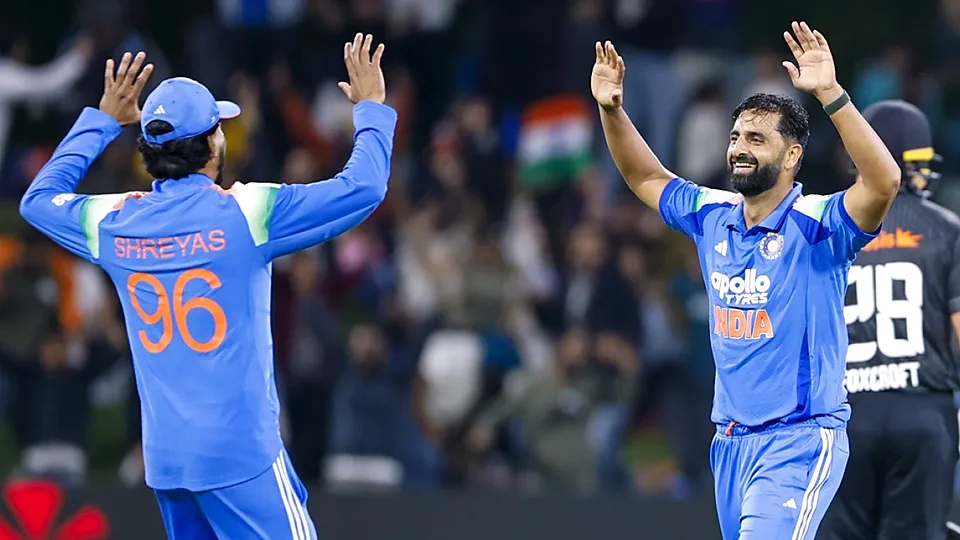
The new ball did the talking, but the runs? They stayed stubbornly buried in the hard, skiddy patch of Hyderabad's main ground. Shrey Iyer, usually the first to spin a narrative around wicket-taking spells, kept it raw in the post-match presser. "Batting, definitely, neither ours nor theirs clicked," he said, voice flat, stripped of the usual captain's bravado. "But both bowling units consistently did well." It’s the kind of candor that usually saves a job, not the one that gets you fired. But in the IPL, where the calendar is a relentless churn of six-week sprints, honesty is just another currency you spend until it runs dry.
The Impact Player Gamble That Blew Up
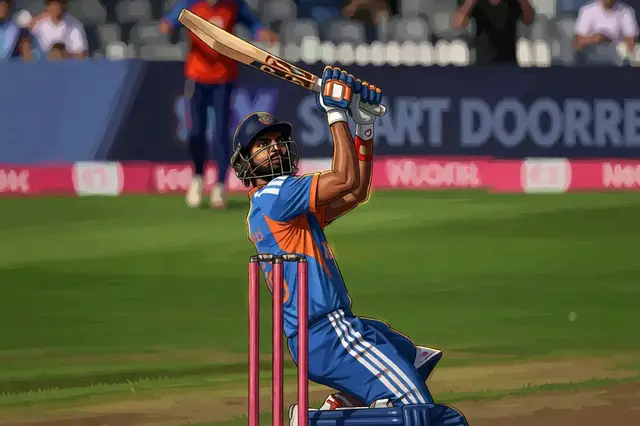
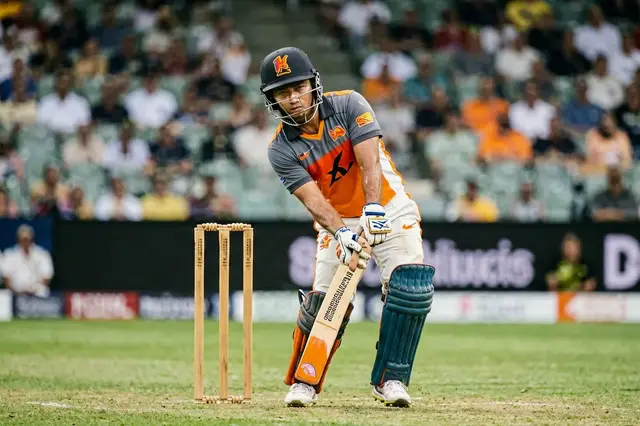
Let’s talk about the math that hurt. The Impact Player rule is supposed to be a net, not a trap. When you slot in a specialist hitter like Suryakumar or a dual-role threat, you are betting that the middle order can stabilize against a new-ball attack. Iyer’s side gambled on keeping the aggressive left-hander in the middle, but the boundary-percentage on that hard length tells a different story. Nobody in the dugout bought the excuse that the pitch was too fast for the batsmen to adapt. The skiddy track was known by Tuesday. The dew factor after 8:30 PM IST was predictable. Yet, the boundary-percentage in the first six overs hovered around a miserable 15%. That’s not bad luck; that’s poor preparation. Why keep a right-hander on if the wrist-spin duo is going to bowl into the pitch on that red-soil track? The left-right batting pair dilemma is real. Against off-spin and leg-spin, you need a left-hander to play on the back foot, not wait for the ball to come through the middle. Iyer’s Playing XI dilemma was visible in the first two overs. The gap between the batter’s timing and the bowler’s release point was three feet too wide. Too wide for a 160-kph delivery. Not wide enough for a soft hands moment.
Why the Middle-Overs Choke Keeps Happening
The choke isn’t just about runs; it’s about the mental grind of the Ranji-style patience required in T20s now. The middle overs (7-15) became a stalemate. Both sides were defending. The wicket-takers didn’t just take wickets; they created pressure that suffocated the batting. Iyer’s unit, led by a frontline attack that consistently bowled into the pitch, forced the opposition to defend their lives. The new-ball unit’s consistency was the anchor. When the spinners came on, they didn’t try to bowl wide yorkers. They didn’t go for the big overs. They kept the ball in the air, kept the pressure on. The dew factor was neutralized by the pitch’s dryness. The surface was too hard for the balls to skid under. That’s a ground-condition reality that changes the game plan. If you’re a scout, you look at the boundary-percentage against spin on a hard, skiddy track. If it’s under 20%, you change the line. Iyer’s team didn’t change. They stuck to the plan. And the plan failed.
"When the sticks don’t click, the bowling becomes the only lifeline. We were lucky it held up. Not every night is that lucky." — Shrey Iyer
The Rs9 Apk Download India angle? It’s not just about the game; it’s about the ecosystem. Fans are looking for every edge, every data point, every tactical breakdown. The wire story is simple: batting failed, bowling succeeded. The subtext is complex: the Impact Player rule is forcing teams to over-invest in specialist hitters who can’t stabilize the middle order. Iyer’s admission is a warning. You can’t rely on the new ball forever. The dew will come. The track will change. The next game won’t be as forgiving. For now, the bowling unit carried the day. But in the IPL, carrying the day is a one-night miracle. It doesn’t build a season. It doesn’t build a title race. It just gets you past the weekend. Iyer knows this. The dugout knows this. The only ones who might not be the fans still clicking on the download links, hoping for that next win. But the next win won’t come from the same formula. It will come from a different line, a different length, a different brain in the middle order. The stick is still stuck. The spin is still spinning. The question is: who will move first? Nobody in the dugout bought that excuse. The next match will prove it.
Related coverage
- T20 Choke & Sticky Tracks: Decoding India's New Ball Strategy
- Rohit ODI Exit Confirmed: BCCI Decision Amid Rs9 Apk Download India Buzz

Updated 2026-11-22 · Instant Rupee Deposits & 60s Withdrawals · 24/7 Support.
Access Official ResumeHelp Portal →Head of Telemetry & Records · Jaipur Desk
Neha Desai heads the statistical modeling desk at ResumeHelp in Jaipur. She specializes in ball-by-ball telemetry, historical chart patterns, and data verification for rs9 apk download india.
Reader Discussion & Match Reactions (6)4.7★ Community (6 Comments)
Verified Indian cricket reader perspectives & tactical debate on resumeshelpservice.com
Iyer’s raw honesty is a red flag for the board, not a shield. If you blame the skiddy Hyderabad patch after Tuesday's recon, your prep was garbage. The 15% boundary rate proves the middle order is broken, not just unlucky. Keeping a right-hander when the wrist-spin duo attacks the red soil is suicidal selection. BCCI needs to audit these tactical gambles before the next six-week churn. This candor saves a job temporarily, but the math says the team is fundamentally flawed and over-relying on new-ball bowling to mask poor batting preparation.
Everyone talks IPL, but who is tracking the Ranji pathways feeding these specialist hitters? The article ignores that Suryakumar-type dual-role threats rarely emerge from state associations without heavy grassroots support. If we only chase Impact Player stats, we kill domestic cricket. State leagues need funding to develop left-handers who can stabilize middle orders, not just IPL stars. The Hyderabad track was tough, but our junior circuits are tougher. We need to look at SMAT data, not just IPL boundaries.
The telemetry here is damning: 15% boundary percentage in the first six overs is statistically impossible for a top-tier side. That’s not preparation; it’s a structural failure. Dew after 8:30 PM IST should have been modeled by Tuesday, yet the team kept a right-hander against into-pitch spin on red soil. The Impact Player rule is a net, not a trap, but this math proves they used the net wrong. Strike rates on that skiddy patch were likely sub-110, exposing the lack of adaptive practice. Numbers don't lie, Aditya.
As a red-ball purist, I despise this IPL churn, but Iyer’s honesty is refreshing. The board treats six-week sprints like a carnival, not a sport. Keeping a right-hander on a fast pitch while the wrist-spin duo bowls into the red soil is a tactical crime. It exposes the depth crisis in Indian batting. We rely on new-ball wickets to hide the fact that our middle order is weak. This isn't cricket; it's data manipulation. The skiddy patch was known by Tuesday, so this was a calculated error, not luck.
Guwahati readers see this clearly: the Impact Player gamble ignored the regional circuit's need for stable middle orders. By pushing an aggressive left-hander into a fast track, they bypassed the grassroots development of adaptable batsmen. State associations in Assam and beyond focus on run-scoring, not just wicket-taking. If the 15% boundary rate reflects poor prep, then the domestic pathways are also failing to produce players who can handle skiddy conditions. We need to value Ranji consistency over IPL flash, or the next generation will be all-power, no-control.
@Rajesh_Bhatia Your point about the board politics is sharp, but the 15% boundary stat is the real killer. That number proves the right-hander was completely outplayed by the wrist-spin duo on red soil. The article notes the skiddy patch was known by Tuesday, so keeping that right-hander was a deliberate, costly error. It wasn't just bad luck; it was a failure to model the dew factor after 8:30 PM IST. The math doesn't lie, and neither does the pitch report.