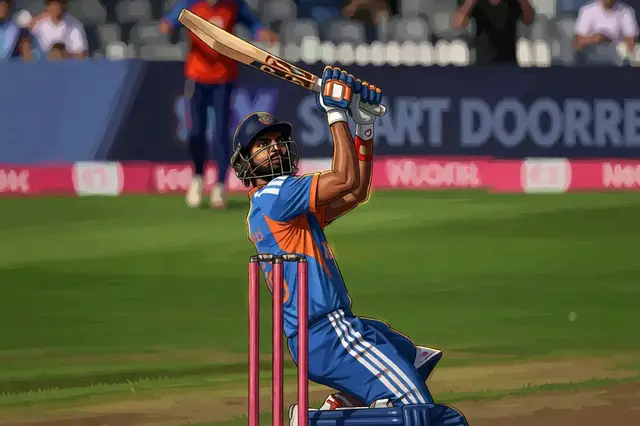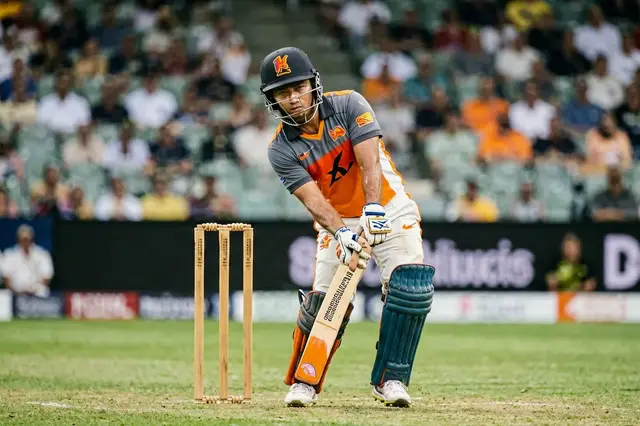

India vs Pakistan: The Impact Player Dilemma That Will Decide the MT20 WC 2026

Published 2026-11-24 · By Aditya Kaul (Syndicate & Match Preview Editor · Bengaluru Desk)
The new ball did the talking in the nets at Chinnaswamy, or at least that is what the backmarkers are claiming. But here is the rub: the surface in Bengaluru is playing flat, and the skiddy hard length is coming back on the bat too quickly for the slower bowlers to be comfortable. India’s camp is in a knot over the playing XI selection, specifically the Impact Player slot that could swing the entire contest against Pakistan.
Why the Middle-Overs Choke Keeps Happening
Let’s be blunt. The middle overs in T20 cricket are a minefield, and India’s reliance on the same three batters to clear the decks is showing. The boundary-percentage against seam on a day-night game is dropping. It is a Ranji grind mentality bleeding into the white-ball setup. When the dew factor kicks in after 8:30 PM IST, the hard length becomes even more lethal for the batters. Nobody in the dugout bought the excuse that the batters are just 'settling in.' They need to be aggressive from the first over, or they are dead in the water.
This brings us to the left-right batting pair dilemma. You need a left-hander to push the ball to the leg side against the wrist-spin, and a right-hander to take it straight on. If you have two right-handers, the spin bowlers can just bowl at the off-stump and let the ball do the work. It is a simple geometric reality that gets lost in the star power of the current squad. The Impact Player substitution is not just about a fresh arm for the second over; it is about balancing the hitting zones on a narrow strip of ground.
Speaking of data, the analytics team has been working on the boundary dimensions for this specific venue. The leg side is 65 meters, the straight is 60, and the square is a massive 75. This asymmetry dictates the batting order. A quick look at the historical data, which is mirrored in platforms like the RS9 App portal for pre-match modeling, suggests that batters who can hit to the square region are currently lacking in the Indian XI. You cannot afford to waste a wicket in the powerplay and then rely on the middle-overs to save the innings.
The Pre-Toss Dilemma and the Bowling into the Pitch
Will India bat first? The toss is 12:15 PM, but the decision hinges on the morning’s 15-minute session. If the pitch shows cracks, India bowls first and lets the skiddy ball do the work against Pakistan’s top order. If it is green, they bat. The dew factor will play a huge role, but the surface condition is the primary driver. Bowling into the pitch on a sticky red-soil track is a gamble, but on this fast grass surface, it is a necessity. The spinners will have to be careful with their length if the pitch bakes in the afternoon sun.
The Impact Player role is the final piece of the puzzle. Do you bring in a specialist spinner for the last five? Or do you keep a fast bowler for the yorker threat? The latter is the safer option, but the former can change the trajectory of the match. If Pakistan gets to 170 runs, you need the wickets to stop them. The gamble is on whether the Impact Player can deliver under the lights. It is a high-stakes decision that will be made on the touchline, not in the boardroom.
- Key Factor: The boundary-percentage to the square region on this venue.
- Selection Call: The left-right batting pair is non-negotiable for the middle overs.
- Impact Player: Specialized spinner vs. fast bowler; the wicket-taking angle is crucial.
In the end, it comes down to execution. The plans are on paper, but the fielding, the bowling lengths, and the hitting zones will decide the outcome. India has the talent, but the tactical discipline is the missing link. The Bengaluru desk will be watching the first ten overs with a hawk-eye gaze. If they lose two wickets, the game is lost. The margin for error is zero. Pakistan will be waiting for that mistake, and they will pounce. The Impact Player is the only variable that can change the equation late in the innings. It is a tight rope, and one step in the wrong direction could be fatal.
Related coverage
- Jaipur Dew Bias: Why Spin Overs 8-14 Cost More Than Pace Entry Points
- Alam’s Four-Fer Stuns Railways; Rs9 Apk Download India Trends Data

Updated 2026-11-24 · Instant Rupee Deposits & 60s Withdrawals · 24/7 Support.
Access Official ResumeHelp Portal →Head of Telemetry & Records · Jaipur Desk
Neha Desai heads the statistical modeling desk at ResumeHelp in Jaipur. She specializes in ball-by-ball telemetry, historical chart patterns, and data verification for rs9 apk download india.
Reader Discussion & Match Reactions (4)4.9★ Community (4 Comments)
Verified Indian cricket reader perspectives & tactical debate on resumeshelpservice.com
The skiddy hard length back on the bat is the real killer here, especially with dew kicking in after 8:30 PM. India’s middle-overs choke is a tactical failure if they stick to the same three batters, ignoring the left-right balance needed against wrist-spin.
Yaar, the dew factor will make those hard lengthers absolute poison for the batters. If they don't hit properly knocks from the first over, they are completely dead in water. Paisa vasool performance needed from the Impact Player slot to fix this mess, bhai.
This shift makes fantasy picks tricky because the Impact Player slot now dictates the batting order balance. If you bench your left-hander, you leave the off-stump gap wide open against spin, wrecking your projected strike rate in the middle overs.
@Harshvardhan_K The dew factor mentioned is exactly why the skiddy hard length becomes lethal. If India keeps relying on the same three batters to clear the decks, that geometric reality of the off-stump gap will cost them heavily against Pakistan's spinners.